
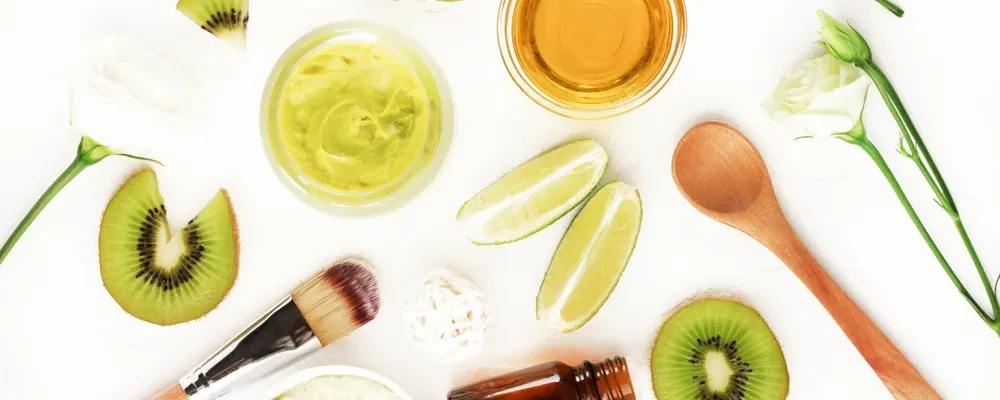
“Natural” is the most used word in the cosmetics industry. It appears on packaging, in commercials, next to small leaf symbols. But: it is not legally protected. Any cream can call itself natural, regardless of what's inside.
That's why it's worth taking a sober look: Which plant-based ingredients have proven effects, and where is nature mainly marketing?
These Natural Substances Have Substance
Green Tea
The extract contains EGCG, a powerful antioxidant. It protects against free radicals and inhibits sebum production, which is why green tea is particularly interesting for oily and blemish-prone skin. Make sure Camellia Sinensis is high on the INCI list. At the very end means: homeopathic dose.
Centella Asiatica
Used in Asian medicine for centuries, a standard in Korean skincare. Madecassoside and Asiaticoside soothe irritated skin, support regeneration, and strengthen the skin barrier. One of the few plant substances with solid studies.
Aloe Vera
Not a miracle cure, but a good moisturizer with a cooling effect. Useful after sunbathing or on irritated skin. The concentration is important: “with Aloe Vera” on the front says nothing about how much is actually contained.
Fermented Plant Extracts
Rice, Galactomyces, Saccharomyces: Fermentation breaks down large molecules into smaller ones that penetrate the skin better. Korean brands have been working with this for years. The skin appears more even and plump without needing a single harsh active ingredient.
Where Nature Irritates Instead of Cares
Essential oils smell wonderful and are still a common cause of contact allergies. Lavender, tea tree, citrus oils: all natural, all potentially irritating. Limonene and Linalool appear on almost every INCI list of classic natural cosmetics and are among the best-known contact allergens.
Natural doesn’t necessarily mean gentle.
And Hyaluronic Acid? Vitamin C?
Here, the line between nature and lab becomes blurred. Hyaluronic acid naturally occurs in the body but is biotechnologically produced through fermentation for cosmetics. Vitamin C is found in lemons, yet the stable Vitamin C in serums still comes from the lab. This doesn’t make them worse. On the contrary: lab production means consistent quality and purity.
For your skin, what counts is not the origin of an ingredient, but concentration, formulation, and compatibility.
How to Read What Works on the Package
The INCI list is sorted in descending order: What is listed first is most abundant. If the advertised plant extract is third from last behind the perfume, you are mainly buying the label. Short lists with the active ingredient high up are usually a better choice than thirty ingredients with pretty names.


