

Slugging is an occlusive finish to the evening routine that locks in existing moisture in the skin. The technique is especially helpful for dry, cracked, or damaged skin to become visibly better overnight. For oily or acne-prone skin, slugging is less suitable, as the dense layer can promote impurities. Knowing this boundary allows you to use the method as an intensive treatment rather than making it a daily routine.
In short:
- Slugging can improve skin elasticity, but only works if enough moisturizing products are applied beforehand.
- Highly occlusive products like Vaseline are more effective but can promote irritation or clogging in impure or oily skin.
- The method is mainly suitable for dry, flaky, or mature skin; it should be used cautiously on oily or acne-prone skin.
- If the occlusive layer is applied without prior moisture-binding care, it can further dry out or irritate the skin.
- Slugging should be applied no more than once or twice a week to avoid overloading the skin barrier and minimize risks like bacterial accumulation.
Table of Contents
- What is Behind Slugging K-Beauty? The Scientific Basis
- What Does Slugging Really Do for Dry Skin?
- Who is Slugging Suitable for, and Who is it Not?
- How to Properly Apply Slugging in the Evening Routine
- How to Minimize Risks with Strong Occlusion
- What Role Does Rammilav Play in the Right Product Selection?
- Which Products Fit Your Slugging Routine?
- Where to Find More Information on Slugging?
- Is Slugging Worth It as Part of the Care Routine?
- Sources
What is Behind Slugging K-Beauty? The Scientific Basis
The term describes a thin layer of a highly occlusive product applied at the end of the evening skincare routine. Physiologically, something specific happens: the layer prevents water from evaporating from the stratum corneum. Experts call this transepidermal water loss, or TEWL for short. Occlusion significantly reduces this value and simultaneously causes swelling of the outermost skin layer.

This swelling has a dual effect. It retains moisture in the skin longer and increases permeability for active ingredients applied beforehand. This is precisely why the order of products in slugging is so important.
Not every occlusive works equally strongly. Common options differ in their density from highly occlusive to semi- and lightly occlusive, with density affecting both the effect and the skin feel. More occlusive products like Vaseline are more effective but can also cause a heavier skin feel.
What Does Slugging Really Do for Dry Skin?
The most noticeable effect appears in the morning: smoother, plumper-looking skin after a night of occlusion. This is no coincidence but the direct result of reduced water loss. An important point that many overlook is that slugging itself does not provide moisture. It only locks in what has been introduced into the skin through serum and cream beforehand.
Without moisturizing preparation, the occlusive layer does little. Covering dry skin directly with Vaseline without first applying a hyaluronic serum or a rich cream may, in the worst case, only seal in your own dryness.
The evidence for this is understandable but limited. Petroleum jelly is considered safe and moisture-preserving by the American Academy of Dermatology, as long as the application remains clean. At the same time, dermatological experts emphasize that slugging does not replace an independent care solution and continuous lipid and moisture retention care remains necessary. Slugging is therefore more of an enhancer than a cornerstone of the routine.
Who is Slugging Suitable for, and Who is it Not?
The suitability depends heavily on the skin condition, not on taste or trend. Those with chronically dry, cracked areas on the cheeks or around the mouth usually benefit the most. Mature skin with a weakened barrier function often reacts positively as well.
- Well-suited for: dry, flaky, irritated, or mature skin with a visible feeling of tightness.
- Less suitable for: oily or acne-prone skin, as occlusion can promote pore clogging.
- Caution advised: directly after retinoids, acid peels, or other active ingredients.
- Consultation needed: in case of persistent pustules, itching, or redness after application.
The Cleveland Clinic explicitly points out that slugging is not suitable for every skin type. If unsure, one should first test the method on a small area of skin before treating the entire face.
How to Properly Apply Slugging in the Evening Routine
The order determines whether slugging works or just feels heavy on the skin. Follow this sequence:
- Cleanse: Thoroughly remove makeup and sebum from the face, preferably with a mild cleansing oil or balm.
- Apply serum: Apply a moisture-binding serum, such as one with hyaluronic acid or snail mucin, to slightly damp skin.
- Work in cream: Massage a rich moisturizing cream in circular motions.
- Apply occlusive layer: Apply a very thin layer of the chosen product, only on dry areas or spot-treat combination skin.
Pro tip: Apply the occlusive layer with a clean spatula or freshly washed fingers, never directly from the jar with fingers from the previous day, as this significantly reduces the risk of bacterial transfer.
As for frequency, there is a clear rule: dermatologists recommend slugging more as a targeted intensive treatment, not as a daily ritual. One to two applications per week are usually sufficient to support the barrier without overloading the skin.
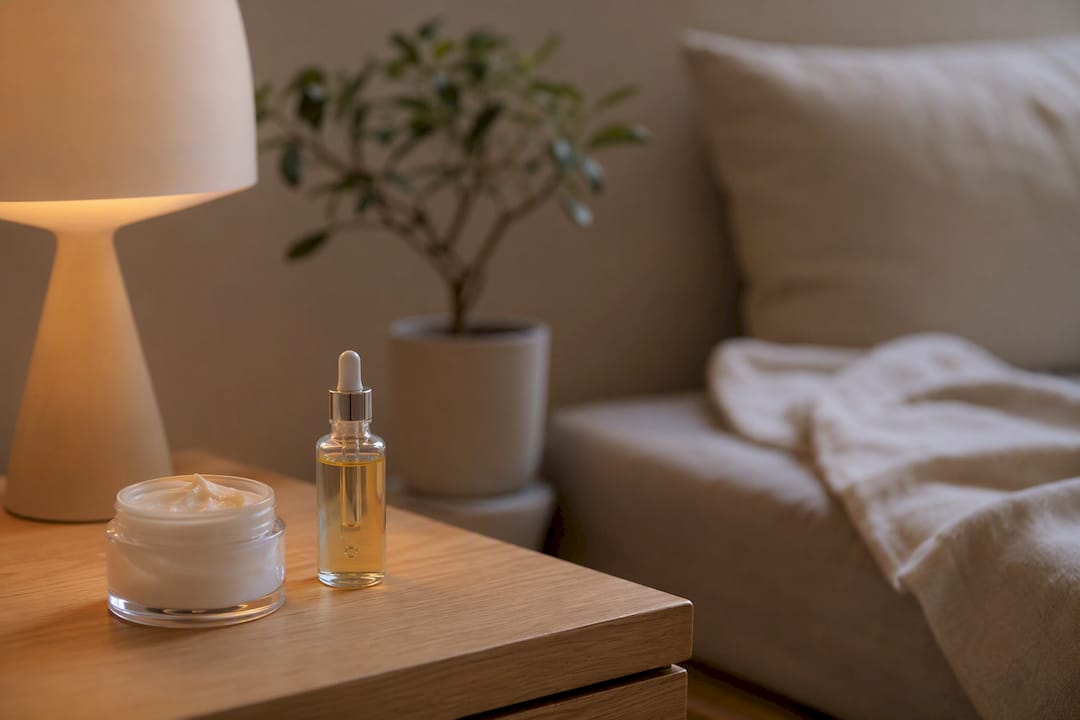
If you don't like the classic, very greasy texture, opt for semi-occlusive alternatives with ceramides or plant oils. By the way, hair tips can also be "slugged": A small amount of oil applied overnight to dry lengths works similarly to the skin, just for the hair structure instead of the stratum corneum.
How to Minimize Risks with Strong Occlusion
Slugging not only enhances moisture but also everything else on the skin, including bacteria and irritants. A few firm rules significantly reduce the risk.
- The face should be completely free of makeup residues before application.
- Change pillowcases regularly, as the occlusive layer transfers dirt and oil to the fabric.
- Do not use freshly applied AHA, BHA, or retinoid products under the occlusive layer, as increased penetration can enhance irritation.
- If persistent redness, itching, small pustules, or a burning sensation occur, discontinue use immediately.
If too much or too often occlusive care is applied, maceration and a changed microbial flora of the skin can occur. For sensitive or blemish-prone skin, brands like Eucerin recommend semi-occlusive formulations that seal without completely sealing the skin.
What Role Does Rammilav Play in the Right Product Selection?
Rammilav sources its Korean skincare products directly from verified suppliers and carries brands like Cosrx, Beauty Of Joseon, and Purito, known for moisturizing and barrier-strengthening. Orders within Switzerland are usually delivered in two to three days, free of charge for orders over 80 CHF. From the range, particularly rich creams and semi-occlusive balms are suitable for slugging, which can be well combined with moisture-binding serums.
Which Products Fit Your Slugging Routine?
Before the occlusive layer can take effect, the skin needs a solid moisture base. This is where the real work lies, not in the final layer itself. A serum with Ginseng and Snail Mucin provides the skin with moisture and regenerative ingredients before applying cream, while a rich cream like the Beauty Of Joseon Dynasty Cream strengthens the lipid layer between serum and occlusion.
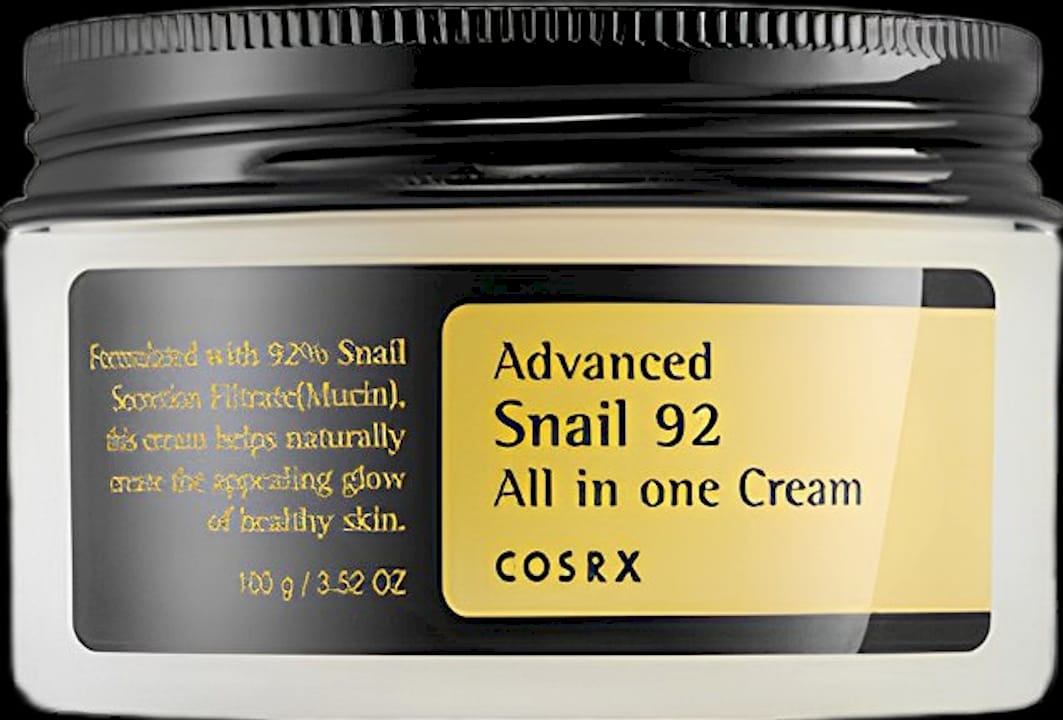
For those seeking a gentler alternative to highly occlusive balms, the Cosrx Advanced Snail 92 All In One Cream is recommended. It acts semi-occlusively, supports the regeneration of irritated skin, and can also be used spot-treat on combination skin without heavily clogging the pores. More background on humectants and barrier care can be found in the Beauty Guide by Rammilav, where suitable product categories are directly linked. Those looking for a specific purchase decision will find a curated selection of creams and serums in the Rammilav range that can be specifically combined for the slugging routine.
Where to Find More Information on Slugging?
Those who want to delve deeper into the subject will find basic safety information on petroleum jelly at the American Academy of Dermatology. The Cleveland Clinic provides a medical classification of slugging and outlines the method's limitations. For the pharmaceutical background on the occlusion effect, a look at the DocCheck Flexikon is worthwhile.
Is Slugging Worth It as Part of the Care Routine?
Slugging is not a miracle cure, but an honest tool if you respect its limits. I consider the technique useful as an occasional intensive treatment, not as a daily ritual, and that's where many make the mistake: they occlude every night and wonder about impure skin or a permanently heavy feeling. Test slugging initially on specific dry areas, once or twice a week. If the skin reacts with persistent redness or pustules, it's not a sign for "more patience," but for a visit to a dermatological practice. The method complements a good routine, it does not replace it.
— Aleksejs
Sources
- Occlusion (Pharmacy) – Wikipedia
- Slugging – Intensive Care for Dry Skin – Eucerin
- Slugging – Cleveland Clinic
- Petroleum Jelly – AAD


