
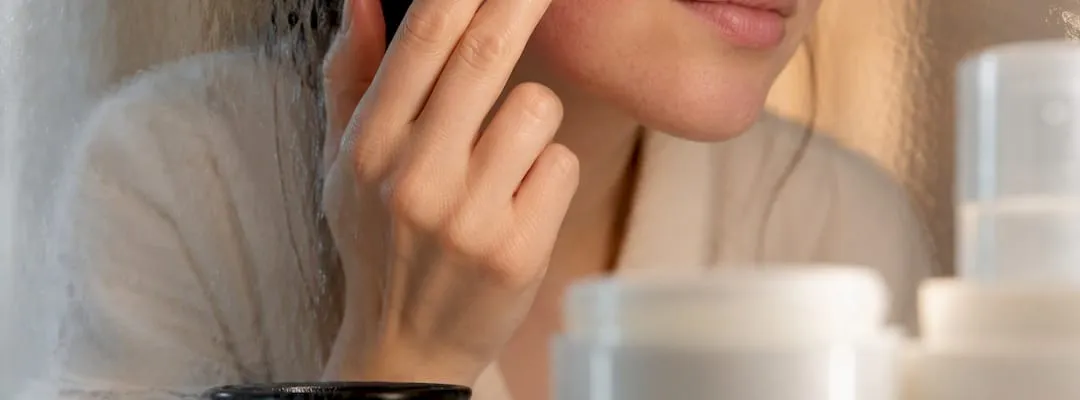
Yes, selected K-Beauty products with barrier-strengthening, low-irritant ingredients can soothe rosacea. We're talking about formulas with Centella Asiatica, Niacinamide, and Hyaluronic Acid, which provide moisture and support the skin barrier. However, no skincare routine in the world can replace dermatological treatment for moderate to severe symptoms. Those experiencing recurring redness, papules, or burning skin should first visit a dermatologist's office, not a beauty store.
In short:
- For rosacea, only products without fragrances, essential oils, or Alcohol Denat. should be used to avoid irritation.
- Ingredients like Centella Asiatica, Niacinamide, and Green Tea Extract are proven to be soothing and improve the skin barrier in rosacea.
- High-percentage acids, strong retinoids, and hot water are clear triggers and should be avoided with rosacea.
- A minimalist routine with carefully selected products and rest periods is more effective than extensive care.
- For moderate to severe symptoms, medical treatment is always necessary; skincare can only act as a supplement.
Table of Contents
- Why K-Beauty Can Make Sense for Rosacea and Where the Pitfalls Lie
- Which Ingredients Actually Work for Rosacea
- These Ingredients and Mistakes You Should Avoid with Rosacea
- What a Minimalist Routine for Rosacea Skin Looks Like
- When You Should See a Doctor for Rosacea
- How Rammilav Can Support You in Product Search
- What I Learned from Researching K-Beauty and Rosacea
- Discover Gentle K-Beauty Products for Sensitive Skin at Rammilav
- Sources
- FAQ
Why K-Beauty Can Make Sense for Rosacea and Where the Pitfalls Lie
The Korean skincare philosophy revolves around hydration, gentle textures, and multi-layered barrier care. This directly addresses a sore point in rosacea, as the skin barrier is often weakened in this condition and loses moisture faster than healthy skin. Many K-Beauty lines focus on low-concentration, well-tolerated active ingredients instead of aggressive acid peels, as are common in some Western routines. This aligns with the most important rule for rosacea: less but more targeted.
However, caution is advised. The marketing language in this segment is often flowery, "soothing," "skin-friendly," "for sensitive skin." Experts explicitly warn against relying solely on such labels, as many supposedly gentle formulas contain hidden irritants like perfume, essential oils, or Alcohol Denat. A pretty packaging promise says nothing about the actual INCI list. Those shopping for rosacea must read the ingredient list, not the advertising text.
Typical risk factors in Korean cosmetics therefore deserve special attention:
- Fermented extracts (often labeled as "Ferment" or "Yeast"), which can react differently for individuals
- Botanical complex mixtures with ten or more plant extracts, where the triggering substance is hard to pinpoint
- Essential oils, often used as fragrance alternatives in "natural" lines
- Propolis, a popular K-Beauty ingredient with a proven allergy risk for this skin condition
The good news: Within the same market segment, there are also minimally formulated products with few, well-researched active ingredients. These are usually a better choice for rosacea skin than multi-ingredient trend formulas. A guide to sensitive skin helps make this distinction.
Which Ingredients Actually Work for Rosacea
Not every K-Beauty trend delivers on its promises. However, some active ingredients have a comprehensible basis of action and are well tolerated in practice by those affected.
Centella Asiatica as a Base Ingredient
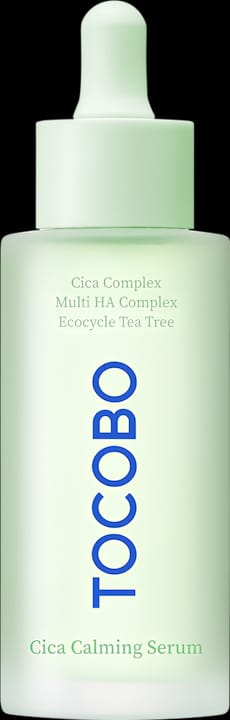
Centella Asiatica, often labeled as "Cica" in Korean products, is one of the best-documented soothing ingredients in the K-Beauty segment. Several clinical observations show positive effects on redness and barrier restoration. The ingredient is offered in serums, creams, and ampoules in various concentrations, usually in low to medium concentrations. For rosacea skin, low to medium concentrated formulations without additional fragrances are best. Those who want to delve deeper can find further details on application in our article on Centella Asiatica.
Niacinamide and Its Role in Barrier Function
Niacinamide supports the body's own ceramide production and can visibly reduce redness. The mechanism behind it is unspectacular but effective: A more stable skin barrier loses less moisture and reacts less strongly to external stimuli.
Green Tea Extract and Anti-inflammatory Effects
Green Tea Extract, especially the contained EGCG compounds, shows anti-inflammatory properties and frequently appears in Korean cosmetics in toners and essences. In combination with Centella and Niacinamide, it is among the three best evidence-supported K-Beauty ingredients for reducing redness and strengthening the barrier. Snail Mucin, another Korean crowd favorite, performs significantly weaker in this regard, with the data remaining thin.
Important to know: Hyaluronic Acid and Ceramides are not considered "active" ingredients in the strict sense, but they are almost indispensable for rosacea skin. They plump up the top layer of skin and seal the barrier without having anti-inflammatory effects themselves. A combination of moisture binding (Hyaluron) and lipid replenishment (Ceramides) often forms the actual foundation of a rosacea-friendly routine, even before the more prominent "star ingredients."
Where skincare reaches its limits, medical active ingredients come into play. Azelaic Acid is available in both low-dose cosmetic formulations and higher-dose prescription preparations and has anti-inflammatory and slightly antibacterial effects. Our article on Azelaic Acid explains the difference between cosmetic and medical use. Metronidazole and Ivermectin are pure pharmaceuticals and belong exclusively in doctor-prescribed creams. Skincare products complement these therapies, they do not replace them.
These Ingredients and Mistakes You Should Avoid with Rosacea
Some triggers are obvious, others surprise even experienced users. A short list of the most common sources of error:
- Fragrances of any kind, including natural essential oils, are among the most common triggers for flare-ups in rosacea.
- Alcohol Denat. in toners and essences dries out and further weakens the barrier, even though it is found in many "refreshing" formulas.
- Propolis poses an increased risk of contact allergies for this skin condition, according to a study of 361 patients.
- High-percentage AHA and BHA acids over 5% concentration further irritate the already thin rosacea barrier.
- Strong retinoids in high doses can trigger acute flare-ups and should only be used under medical supervision.
- Hot water during cleansing and vigorous rubbing when drying are among the most underestimated everyday triggers.
Before a new product is added to the routine, a simple patch test is worthwhile: A small amount is applied to an inconspicuous skin area, such as behind the ear or on the forearm, for three to five days. If no redness, itching, or burning occurs during this time, the product can be cautiously tested on the face, initially only on a small area.
What a Minimalist Routine for Rosacea Skin Looks Like
Fewer products, but the right ones, is a smarter strategy for rosacea than a ten-step K-Beauty routine. A reduced sequence significantly lowers the risk of unwanted interactions between active ingredients.
The Morning Routine
- Gentle cleansing with lukewarm water, never hot
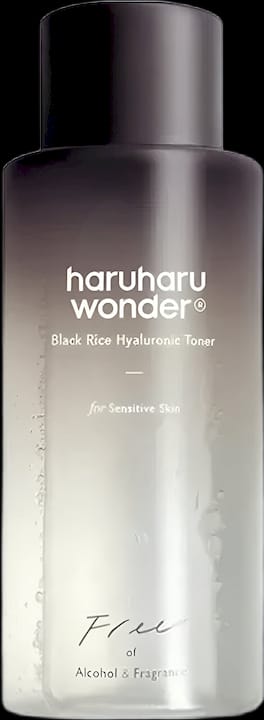
- A soothing toner or essence with Centella or Green Tea Extract
- A serum with a single active ingredient, such as Niacinamide or Centella, not both simultaneously at the start
- A light moisturizer with Ceramides
- Sunscreen with high SPF, without exception
The Evening Routine
In the evening, a reduced version of the same steps is often sufficient: cleansing, soothing toner, moisturizer. Those who want to introduce additional active ingredients should do so in the evening ritual, as the skin is less exposed to external stimuli overnight.
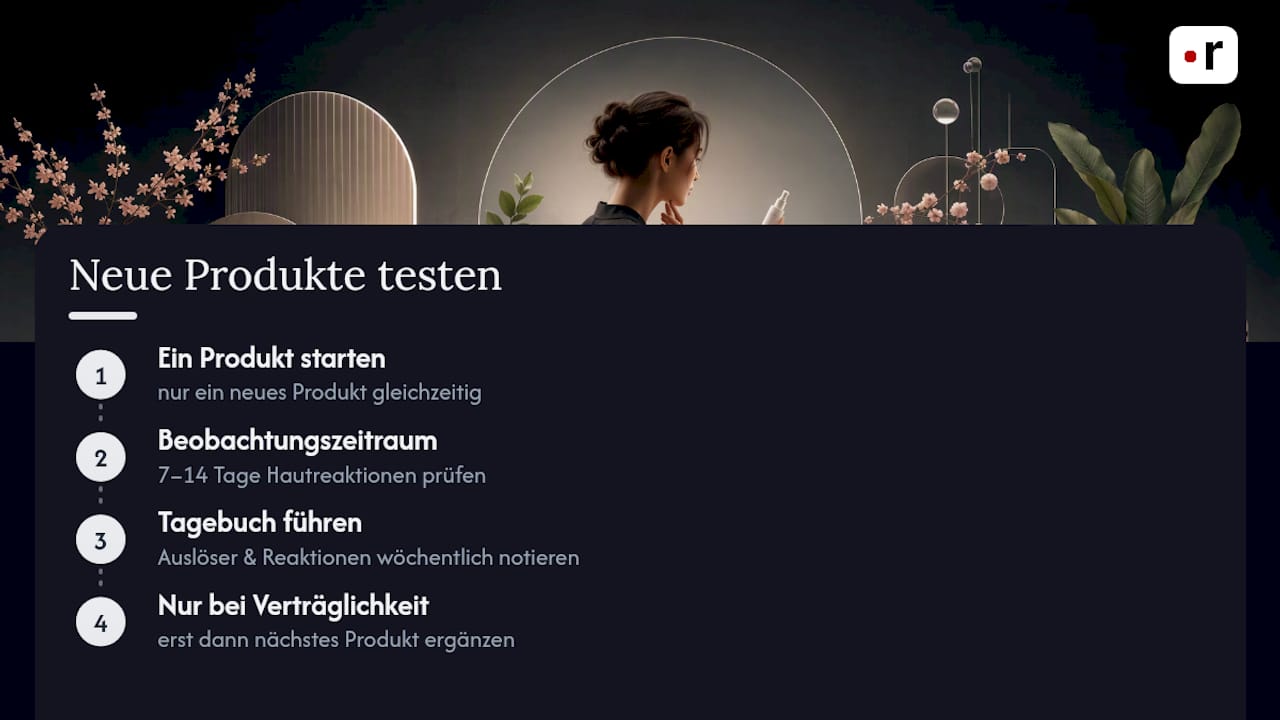
New products should be introduced into the routine one at a time, never two or three simultaneously. An observation period of seven to fourteen days per new product reliably shows whether the skin tolerates it. Only when a product has proven itself does the next one come into play. The University Hospital Zurich recommends keeping a rosacea diary in this context to track triggers and reactions over weeks.
Pro Tip: Bring creams and serums to hand warmth before applying by briefly rubbing the product between your palms. Cold textures can trigger a temporary flush in rosacea skin, much like a cold gust of wind on the face.
In the application itself, every detail counts. Patting instead of rubbing protects the capillaries in the facial skin. Small product amounts, about pea-sized instead of palm-sized, reduce the risk of overloading the barrier. And those who pat the face dry after cleansing instead of rubbing avoid one of the most commonly overlooked triggers for acute flare-ups.
When You Should See a Doctor for Rosacea
Skincare can cushion a lot, but it has its limits. The S2k guideline for rosacea recommends topical active ingredients such as Metronidazole, Azelaic Acid, and Ivermectin as first-line therapy for medical treatment. In therapy-resistant or moderate to severe cases, systemic treatment with low-dose Doxycycline may be useful.
Significant improvements under treatment often only appear after four to six months, accompanied by subsequent maintenance therapy. Those who expect major changes after just a few weeks of skincare adjustment are usually disappointed.
Certain signs require timely consultation, no waiting time:
- Eye involvement with burning, foreign body sensation, or redness of the eyes (ocular rosacea)
- Severe, persistent pain in the affected skin area
- Rapid deterioration within a few days
- Visible pustules or papules that go beyond occasional redness
For visible veins, medically called telangiectasias, laser and IP procedures offer an additional option. These treatments reduce the visibility of dilated blood vessels, but usually require several sessions spaced a few weeks apart, not a one-time treatment. Those who choose such a procedure benefit from a structured behavioral guide before and after the treatment, as the skin reacts particularly sensitively in the days following.
How Rammilav Can Support You in Product Search
An online shop for Korean cosmetics can serve as a source, but it does not replace medical advice. For rosacea skin, one thing counts above all: reliable product quality without unpleasant surprises in the ingredient list.
A few practical tips for shopping with rosacea skin:
- Check the INCI list of each product before ordering, regardless of the marketing promise on the packaging
- Opt for samples or mini sizes where available to test a new product with low risk
- Always view product advice as guidance, never as a substitute for a dermatological diagnosis
- For acute or severe symptoms, the rule is: first medical clarification, then skincare adjustment
Direct sourcing of products from verified suppliers can help separate the question of the origin of cosmetics from the question of compatibility, two uncertainties that can otherwise easily mix.
What I Learned from Researching K-Beauty and Rosacea
The biggest misconception in rosacea care is the belief that more products will lead to better skin faster. The exact opposite is usually true. The most convincing case stories and study hints in this field almost always revolve around reduction, not addition.
What bothers me most about the K-Beauty discussion around rosacea is the tendency to automatically equate "Korean" with "gentle." This is true for many products, but not for all. Some of the most popular K-Beauty exports, such as heavily perfumed ampoules or multi-step acid toners, are decidedly unsuitable for rosacea skin. The origin of a product says nothing about its compatibility, only the ingredient list does.
A rosacea diary sounds like a tedious extra task, but it almost always pays off. Those who note over four to six weeks which product was applied when and how the skin reacted can recognize patterns that would otherwise be lost in everyday life. This patience is inconvenient in a time when every advertisement promises quick results. With rosacea, change takes time, and a conservative, step-by-step approach protects more skin in the end than any promising new product.
— Aleksejs
Discover Gentle K-Beauty Products for Sensitive Skin at Rammilav
Rammilav is the alternative to the confusing foray through countless drugstore brands with questionable INCI transparency: The product catalog bundles cleansing, toner, serum, moisturizer, and sunscreen from verified brands like Beauty Of Joseon, Cosrx, and Purito in one place, with direct sourcing from controlled suppliers. For beginners, the Tocobo Cica Calming Serum with a Candela focus is suitable, or as sunscreen, the Beauty Of Joseon Relief Sun with Rice and Probiotics Formula. In Switzerland, free shipping is often available above a certain order value, and delivery times are usually a few days. Test a new product initially in small amounts, and clarify persistent or severe symptoms dermatologically beforehand. Browse the catalog and find the care that suits your skin.
Sources
Those who want to deepen their understanding of the medical basics of rosacea will find the S2k guideline for rosacea by AWMF the authoritative therapy overview for the German-speaking area. The University Hospital Zurich offers a comprehensible orientation to symptoms and everyday tips with its patient guide to rosacea. For the scientific classification of individual K-Beauty active ingredients, it is worth looking at the overview of Centella, Niacinamide, and Green Tea in rosacea. Further topics around active ingredients and skincare routines can also be found in the K-Beauty Guide and in the article on the effects of peptide serums.
This article contains general information and does not replace consultation with a qualified doctor. Contact a qualified medical professional about your personal situation before acting based on this content.
- S2k Guideline Rosacea (AWMF)
- Rosacea: Symptoms, Prevention, and Treatment – USZ
- La Roche-Posay — Skincare for Rosacea
- Does Korean Skincare Actually Help Rosacea? – Beautiful With Brains
- PubMed — Contact Allergy Propolis
FAQ
Which Skincare is Recommended for Rosacea?
Minimalist formulas with Centella Asiatica, Niacinamide, Hyaluronic Acid, and Ceramides are considered particularly compatible, as they strengthen the skin barrier without causing additional irritation. A short routine with few, individually tested products is important instead of many active ingredients at once.
What Should You Avoid Using with Rosacea?
Avoid fragrances, essential oils, Alcohol Denat., high-percentage AHA or BHA acids, and strong retinoids without medical guidance. Propolis also poses an increased risk of contact allergies with rosacea and should be treated with caution.
What Do Dermatologists Recommend for Rosacea?
The S2k guideline names Metronidazole, Azelaic Acid, and Ivermectin as topical first-line therapies, with low-dose Doxycycline as an additional option for more severe or therapy-resistant cases. Laser or IP treatments are also used for visible veins, usually spread over several sessions.
Does K-Beauty Work for Rosacea?
Selected K-Beauty products with Centella, Niacinamide, or Green Tea Extract can reduce redness and support the barrier, provided they are free from fragrances and other irritants. K-Beauty does not replace medically prescribed treatment for moderate to severe symptoms.
How Long Does It Take for Rosacea Skincare to Work?
Initial soothing effects often appear after a few weeks, but significant improvements under combined care and treatment usually take four to six months. Patience and a step-by-step approach are more important than quick product changes for rosacea.


