
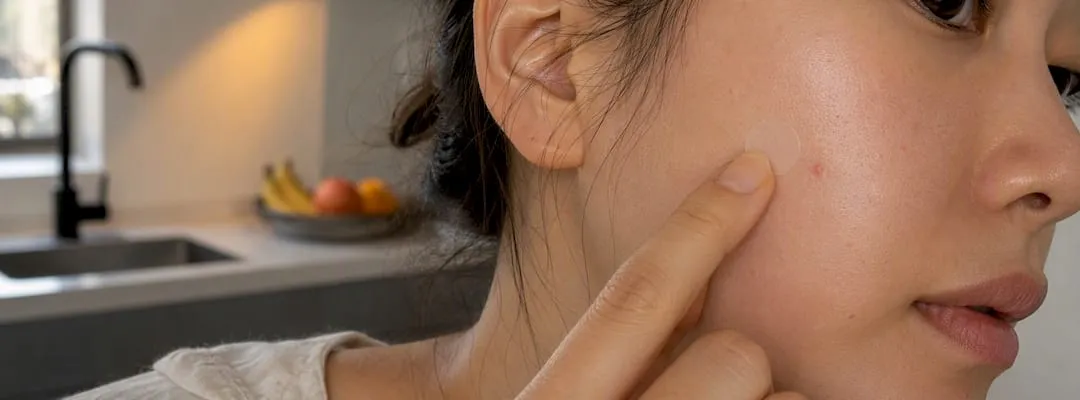
Pimple patches work best on mature, oozing pustules or freshly opened pimples, not on deep cysts or closed blackheads. The procedure is quite simple: clean the skin, let it dry completely, apply the patch, press firmly, and wear it for 6 to 24 hours, then gently remove it. The benefit lies in two things: the hydrocolloid absorbs fluid, and the adhesive surface keeps your fingers away from the spot.
For which situation is this most suitable?
- Mature pustules with visible pus or head
- Freshly burst or squeezed spots with moisture
- Nighttime application when you can't touch anything anyway
- Not suitable: deep, painful nodules without a surface
Important Insights
Pimple patches are most reliable on mature, oozing pustules because the hydrocolloid can actually absorb fluid there, and the adhesive surface prevents you from squeezing.
| Topic | Details |
|---|---|
| Best Use Case | Mature pustules with visible pus or freshly opened spots respond best to hydrocolloid. |
| Application Steps | Clean skin, let it dry completely, press patch, wear for 6 to 24 hours, remove parallel to the skin. |
| Change Signal | Milky-white discoloration or detachment of the edges indicates the patch is saturated. |
| Limits of Effectiveness | Closed comedones and deep cysts hardly respond, requiring dermatological treatment. |
| Source | Rammilav offers thin, face-specific hydrocolloid patches like the Cosrx Master Patch with fast shipping in Switzerland. |
Table of Contents
- How Do Pimple Patches Work Exactly?
- For Which Pimple Type Is a Patch Worth It?
- Step by Step: Apply and Remove Patch Correctly
- How Long Should a Pimple Patch Be Worn?
- Are Blister Patches a Substitute for Pimple Patches?
- What Do Pimple Patches Really Achieve?
- Why Expectations of Patches Are Often Wrong
- Sources
How Do Pimple Patches Work Exactly?
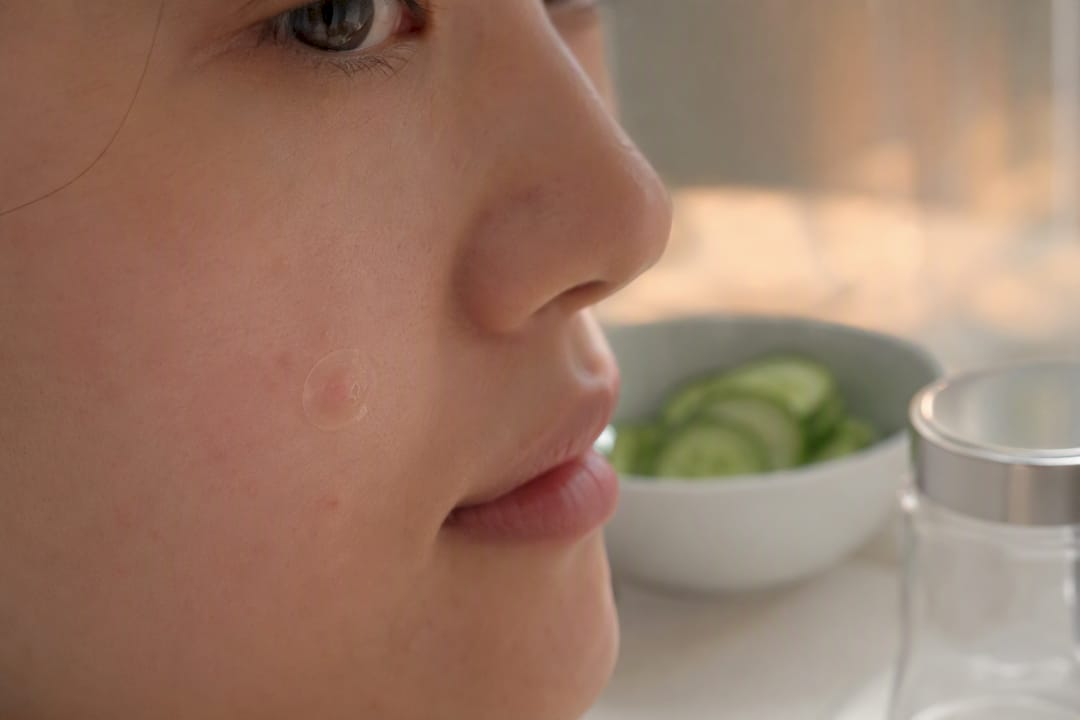
A pimple patch usually consists of a thin hydrocolloid membrane, the same material used in wound care for blisters or minor skin injuries. The material absorbs exuding fluid and creates a moist healing environment that promotes regeneration, as explanations of anti-pimple patch technology show. You see the result directly: the patch turns whitish because it has drawn secretion from the pore.
Some manufacturers additionally mix active ingredients like salicylic acid, niacinamide, or fine microneedles into the patch structure. Salicylic acid is considered a well-researched, keratolytic agent against impurities, but with many patches, it remains unclear whether the contained amount is actually sufficient to work beyond mere coverage. The second, often underestimated effect is purely mechanical: the patch forms a physical barrier. You can't squeeze, scratch, or unconsciously pick at it when an adhesive surface is in the way. This precisely reduces the risk of scars and secondary infections.
For Which Pimple Type Is a Patch Worth It?
Not every impurity responds equally well to a hydrocolloid patch. The rule of thumb is simple: visible fluid on the surface means good prospects of success.
- Very useful: mature pustules with a white or yellowish head, freshly opened or squeezed spots
- Less useful: closed comedones without an opening, deep nodules, and cystic acne under the skin
- Practical rule: Where fluid is visible, the patch can absorb it. Where there is no surface, the hydrocolloid has nothing to absorb
In cystic acne, the inflammation remains deep in the tissue, where no patch in the world reaches the actual cause. For these cases, you need dermatological treatment, not an adhesive patch.
Step by Step: Apply and Remove Patch Correctly
The effect stands and falls with the preparation. A patch on uncleaned, moist skin holds poorly and works slower.
- Prepare the skin: Remove makeup completely, wash hands, gently clean the affected area, and pat completely dry with a clean cloth. Moisture prevents the adhesive from sticking properly.
- Choose the right size: The patch should just cover the pustule without unnecessarily touching the edges. Chosen too small, it slips off. Chosen too large, you waste material.
- Apply and press: Place the patch centrally and press with your fingertip for 10 to 15 seconds to activate the adhesive with your skin's warmth.
- Observe wearing time: Wear for 6 to 24 hours, change as soon as the patch turns milky-white.
- Remove carefully: Lift one corner and pull the patch parallel to the skin surface, not straight up.
Pro Tip: Never apply creams or serums under the patch. The adhesive then sticks worse, and the hydrocolloid's absorbency noticeably decreases.
A patch is also a single-use product. Reusing it is pointless because the material's saturation limit is quickly reached. If you want to wear makeup over it, dab it on gently instead of rubbing it in.
How Long Should a Pimple Patch Be Worn?
Most application guides recommend 6 to 12 hours, in some cases up to 24 hours. The night is particularly suitable for this because you won't be pressing on the spot during this time anyway.
The clearest signal to change is discoloration: as soon as the patch turns milky-white or detaches at the edges, it has reached its absorption capacity. A second patch afterward is completely normal if the spot still appears moist. If the skin reacts with redness, itching, or burning, remove the patch immediately, regardless of the planned wearing time. After removing it, gently clean the area and wait for any irritation to subside before applying another patch.
Are Blister Patches a Substitute for Pimple Patches?
In acute moments, when no specific product is at hand, some people resort to blister patches. The principle is indeed the same: blister patches also consist of hydrocolloid.
- Blister patches are significantly thicker and designed for feet, not for sensitive facial skin
- As a short-term emergency solution, they can be cut small, although experts emphasize that they are often too thick and less skin-friendly for the face
- Face-specific patches are thinner, less noticeable under makeup, and tailored for facial skin
- For severe, open wounds or persistent inflammation, the area belongs in medical hands; no patch replaces this clarification
For everyday use, it's worth having a few real face patches on hand instead of resorting to the home pharmacy for hiking blisters in an emergency.
What Do Pimple Patches Really Achieve?
The body of research on hydrocolloid patches is limited but not insignificant. Some smaller clinical studies and pilot studies suggest moderate benefits for oozing pimples, with results varying depending on the product, active ingredient addition, and skin type. A blanket effectiveness guarantee for all products cannot be derived from this.
Dermatologist Dr. Emi Arpa sees the greatest benefit of pimple patches not in a magical healing effect, but in physically preventing those affected from pressing on the spot, which can worsen scarring and inflammation.
This assessment comes from an interview with the dermatologist and aligns with observations on the pure hydrocolloid effect. Safety aspects of the materials used are also technically reviewed by EU assessments of cosmetic ingredients, although individual compatibility remains product-dependent.
Realistically, pimple patches are a targeted addition to your skincare, not a replacement for dermatological therapy for severe or persistent acne. Those with recurring cystic acne should discuss this with a dermatologist, not solve it with an adhesive patch.

Why Expectations of Patches Are Often Wrong
The biggest misconception I see on this topic repeatedly: people expect a hydrocolloid patch to have the same effect as an active ingredient serum. That's not what the material is made for. A patch doesn't cure acne; it creates an environment where an already mature pustule subsides faster, and it prevents you from making the damage worse yourself.
This second point is underestimated in public discussion. The actual strength of the patches lies in the behavior they prevent, not in an active healing power. If you can't press on the spot at night because a patch is on it, you often avoid more scar risk than with any combination of active ingredients in the patch itself. The conventional advertising message "disappears overnight" falls short and raises expectations that the body of research simply doesn't support. Those who use patches specifically on mature, oozing spots and otherwise keep their fingers off the skin get the most actual benefit.
— Aleksejs
Suitable Hydrocolloid Patches for Your Skincare
A well-fitting patch makes the difference in application: thin enough for everyday use under makeup, strong enough to reliably absorb fluid. The Cosrx Master Patch Basic with 90 pieces offers exactly this thin, skin-friendly hydrocolloid structure developed for facial skin, unlike improvised blister patches from the home pharmacy. Rammilav sources its Korean cosmetics directly from verified suppliers, ensuring original products and consistent quality, and delivers throughout Switzerland usually within 2 to 3 days, with free shipping from an order value of 80 CHF. Those who want to rethink their entire skincare routine alongside patches will find further tips on impurities and skincare in the Rammilav Beauty Guide. The simplest: add a pack of patches to the cart and have them ready for the next emerging pimple.
Sources
- Pimple Patches – How Useful Are the Anti-Pimple Patches?
- PubMed Study / Overview on Hydrocolloid Patches
- SCCS Opinion (EU) — Technical Assessment of Relevant Cosmetic Substances
- RTL: Do Pimple Patches Really Help? – Interview with Dermatologist Dr. Emi Arpa


