
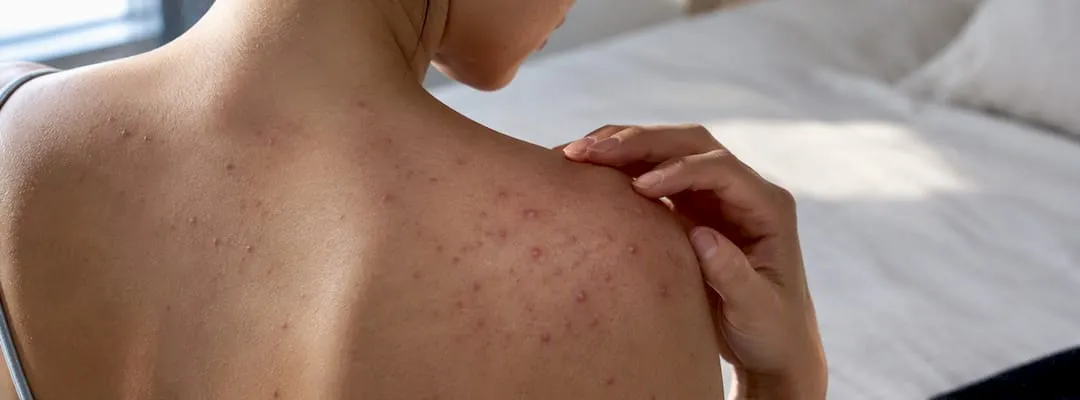
If you suspect Malassezia acne, a short trial with topical antifungals, such as a ketoconazole-containing preparation, combined with an immediate change in skincare, often helps. Cleansers and moisturizers should be oil-free and non-occlusive. In cases of extensive infestation, severe itching, or recurring flare-ups, it's best to consult a dermatologist, as they can confirm the diagnosis and adjust the treatment.
In short:
- For Malassezia folliculitis, a short antifungal course with ketoconazole and non-occlusive skincare is usually sufficient, as long as it's a mild form.
- Heavy sweating, occlusive skincare products, and antibiotic therapies promote yeast growth, leading to a flare-up.
- Itching and the absence of comedones are typical signs, whereas acne vulgaris usually hardly itches and shows blackheads.
- For persistent, extensive, or non-responsive infestation, a medical examination with tests like a KOH preparation should be conducted.
- Treatment includes topical azoles, anti-dandruff shampoos, and in severe cases, systemic antifungals, always under medical supervision.
Table of Contents
- What is Malassezia Folliculitis (Fungal Acne)?
- Causes and Risk Factors
- How to Recognize Malassezia Acne Instead of Acne Vulgaris?
- When to See a Doctor and Which Tests Help?
- Treatment: Overview of Topical and Systemic Options
- What a Suitable Skincare Routine Looks Like Morning and Evening
- Which Ingredients Promote Malassezia, Which Help?
- Prevention and Everyday Tips Against Relapses
- Rammilav as a Resource for Suitable Care for Malassezia
- Which Products Suit Fungal Acne Care?
- Sources
- FAQ
What is Malassezia Folliculitis (Fungal Acne)?
Malassezia is a lipophilic yeast that normally occurs on every skin. It feeds on skin oil and usually lives inconspicuously in hair follicles. Under certain conditions, such as heat, humidity, or excess sebum, the yeast multiplies rapidly and triggers a follicular inflammation. This is called Malassezia folliculitis, commonly known as fungal acne.
The typical appearance shows as uniform, itchy papules and pustules, often on the back, chest, shoulders, and décolleté. This distribution also explains the care logic behind it: Because Malassezia needs fat to grow, oil-free, non-occlusive products directly counteract the overgrowth. Rich creams tend to feed the problem rather than alleviate it.
Causes and Risk Factors
Malassezia is part of the normal skin flora but becomes pathological under certain conditions. Heat and sweating are the most common triggers because they create a warm, moist environment in which the yeast rapidly multiplies. Occlusion from tight clothing or sports equipment further enhances this effect.
The following factors particularly favor a flare-up:
- Heavy sweating combined with tight, non-breathable clothing
- Rich, comedogenic oils and occlusive creams in daily care
- Previous antibiotic therapies that disrupt the skin's microbial balance
- Immunosuppression, such as from corticosteroid therapy or certain underlying conditions
- Moist sports equipment that remains on the skin for hours
Studies show that sweat, heat, occlusion, and increased sebum production promote the growth of Malassezia. Recognizing these factors can often lead to significant improvements through small behavioral changes.
How to Recognize Malassezia Acne Instead of Acne Vulgaris?
Itching is the most important distinguishing feature. Classic acne vulgaris hardly itches, whereas Malassezia folliculitis almost always does, often significantly increased after sweating. The papules and pustules are also very uniform in size and shape, usually concentrated on the back, chest, and shoulders.
A central clinical feature is almost entirely absent in fungal acne: comedones, or blackheads. Where acne vulgaris typically shows open and closed comedones, these are absent in Malassezia infestation. Many affected individuals also notice that classic acne treatments like benzoyl peroxide or retinoids hardly work, sometimes even irritate. In cases of persistent worsening, fever, or very extensive infestation, the condition should be in the hands of a doctor.
When to See a Doctor and Which Tests Help?
The European Academy of Dermatology and Venereology recommends a trial topical treatment in cases of justified clinical suspicion, even before microscopic confirmation is available. This means specifically: If itching, absence of comedones, and the typical distribution match, therapy can begin directly without waiting for a lab test.
However, there are situations where more detailed clarification is useful. In cases of atypical progression, lack of response to the trial therapy, or very extensive infestation, a KOH preparation, a tape test, or in rare cases, a biopsy can help to microscopically detect Malassezia. Differential diagnoses include bacterial folliculitis, steroid acne, or a combination with acne vulgaris, which is why a medical assessment is always the safer choice in case of uncertainty.
Treatment: Overview of Topical and Systemic Options
The treatment of Malassezia acne follows a clear step plan. Topical azoles are the first choice. Ketoconazole shows strong in vitro effects against Malassezia, with clotrimazole and econazole being similarly effective alternatives. Allylamines like terbinafine and the substance ciclopirox are also effective classes of active ingredients.
Practically, shampoos developed against dandruff but used as body cleansers have shown high success rates in Malassezia folliculitis:
- Ketoconazole shampoo, briefly massaged into the affected areas
- Zinc pyrithione-containing wash lotions as a daily or several times weekly alternative
- Selenium disulfide shampoo, used less frequently due to possible skin irritation
In severe, widespread, or therapy-resistant cases, systemic antifungals like itraconazole or fluconazole may be considered, but only after medical clarification, as these substances can have interactions and side effects. If acne vulgaris is present simultaneously, a combination of azoles and classic anti-acne agents can be considered according to the EADV position paper, with individual coordination.
Pro Tip: Carry out the trial antifungal course consistently for at least two to four weeks, even if the skin improves after just a few days. Premature discontinuation is one of the most common reasons for quick relapses.
What a Suitable Skincare Routine Looks Like Morning and Evening
A consistent routine often determines the course more than any single product. It can be implemented in a few clear steps:
- Cleansing: Wash face and body morning and evening with a mild, oil-free cleanser, and additionally shower immediately after heavy sweating.
- Moisturizing: Apply a light, non-occlusive moisturizer that hydrates without clogging pores.
- Spot Treatment: For crusts or clogged follicles, apply a product with salicylic acid that dissolves dead skin cells.
- Sunscreen: Use a mattifying, non-occlusive sunscreen during the day instead of rich, greasy formulas.
- Antifungal Cleansing: Use a ketoconazole shampoo as a body wash two to three times a week, briefly massaging it in and letting it work.
Pro Tip: Let the ketoconazole shampoo work for two to three minutes when used as a body wash before rinsing off. This short exposure time is usually enough to noticeably reduce lesions on the chest and back faster than with creams alone.
Which Ingredients Promote Malassezia, Which Help?
Some ingredients practically feed Malassezia, while others specifically inhibit its growth. Reading product labels with this knowledge in mind leads to better decisions.
To avoid are especially rich oils like coconut oil, occlusive waxes, and certain fatty acid esters that serve as a food source for Malassezia. Even heavy lipids in classic night creams are included, even if they are otherwise considered skin-friendly.
Helpful, on the other hand, are:
- Ketoconazole and ciclopirox as antifungal agents
- Zinc pyrithione and selenium disulfide, known from anti-dandruff shampoos
- Salicylic acid, which cleanses follicles from the inside and dissolves keratinization
- Niacinamide, which regulates sebum production and supports the skin barrier
Anti-dandruff shampoos can be practically repurposed as body cleansers, as already described. This is not a stopgap solution but a proven application in practice that many dermatologists recommend.
Prevention and Everyday Tips Against Relapses
Relapses can be made significantly less frequent with a few consistently implemented habits. Hygienic behavioral changes are considered a simple, well-documented measure for preventing recurrences, especially because they directly counteract the main triggers.
- Shower as soon as possible after sweating, instead of wearing sweaty clothes for longer.
- Choose breathable sportswear and wash towels and workout outfits after each use.
- Consider an intermittent maintenance therapy for frequent relapses, such as a weekly anti-dandruff shampoo, ideally after consulting a dermatologist.
Patience is also part of prevention. Initial improvements often appear within a few weeks, but only a consistent continuation of the routine keeps the yeast in check in the long term.
Rammilav as a Resource for Suitable Care for Malassezia
There are Korean skincare products that fit well into an oil-free, non-occlusive routine. In the Beauty Guide, you will find additional explanations about active ingredients that help with product selection. It remains important: These products complement care but do not replace medical clarification or a prescribed antifungal. For persistent or unclear complaints, the first call should be to a dermatologist.
Which Products Suit Fungal Acne Care?
For a routine that suits Malassezia-prone skin, one thing counts above all: light, oil-free, non-occlusive. In the Rammilav range, you will find suitable categories for exactly these requirements, from mild cleansing products to light moisturizers to sunscreen without a greasy film. The Skin1004 Madagascar Centella Air-Fit Sunscreen, for example, offers non-occlusive sun protection suitable for blemish-prone skin, while the I’m Sorry for My Skin Age Capture Hydrating Cream is suitable for soothing irritated areas without further clogging the pores.
These products do not replace antifungal therapy; they complement it sensibly once the acute phase subsides or runs parallel to medically prescribed treatment. It is especially worthwhile to browse the range to find suitable, non-comedogenic alternatives to usual care.
Sources
The recommendations in this article are based, among other things, on the EADV position paper on Malassezia folliculitis and clinical reviews on the diagnosis and treatment of the condition.
This article contains general information and does not replace consultation with a qualified doctor. Contact a qualified medical professional regarding your personal situation before acting on this content.
- Position statement: Recommendations on the diagnosis and treatment of Malassezia folliculitis
- Malassezia (Pityrosporum) Folliculitis: Background, Pathophysiology, Etiology — Medscape
- Anti-Fungal, Anti-Microbial and Anti-Inflammatory Properties of a Topical Non-Steroidal Barrier Cream
FAQ
What Helps Against Malassezia on the Face?
Topical antifungals like ketoconazole or clotrimazole preparations are most effective, combined with oil-free cleansing and non-occlusive moisturizing. Rich creams and oils should be avoided as they promote yeast growth.
What to Do Against Malassezia on the Body?
Ketoconazole or zinc pyrithione shampoos can be used two to three times a week as body cleansers, briefly massaged in and left to work. Additionally, quick showering after sweating and breathable clothing help prevent relapses.
Does Fungal Acne Go Away on Its Own?
Without targeted treatment, Malassezia folliculitis usually persists or worsens, especially with ongoing heat and sweating. A trial antifungal therapy often leads to significant improvement within a few weeks.
How Do I Get Rid of Malassezia Folliculitis?
The combination of topical azoles, antiseborrheic shampoos as body wash, and an oil-free skincare routine is the proven approach. In extensive or recurrent cases, a doctor may prescribe systemic therapy with itraconazole or fluconazole.
Can Products from Rammilav Help with Care?
There are oil-free cleansing products, light moisturizers, and non-occlusive sunscreens that fit well into a Malassezia-appropriate routine. They do not replace antifungal treatment but complement it sensibly in everyday life.


