

The Korean hair care routine follows five clear steps: exfoliation, shampoo, treatment, conditioner or mask, and finally a leave-in finish. This sequence treats the scalp as its own skin organ, not as a side aspect of hair care, and that's exactly the difference from most Western routines, which tend to focus reactively on the hair strand.
We present the routine here in a compact form so you can get started right away.
- Exfoliation – weekly scalp exfoliation, removes sebum and residues
- Shampoo – scalp-focused, mild shampoo with a low pH value
- Treatment – mask or ampoule for the scalp, one to three times a week
- Conditioner – only for the lengths, short exposure time
- Leave-in – essence or tonic for the glass hair finish
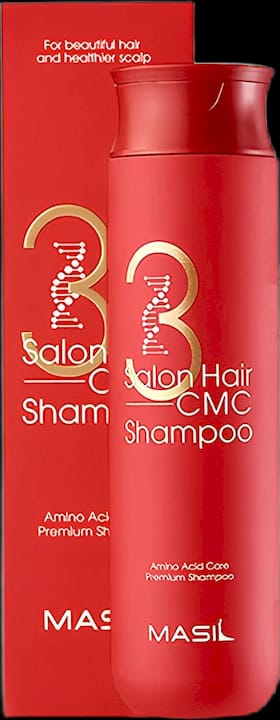
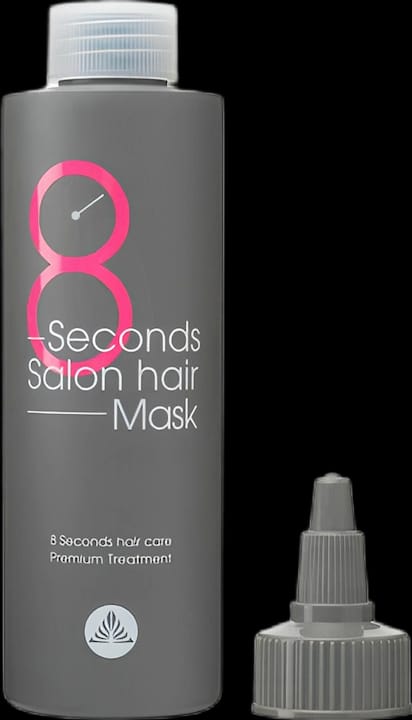
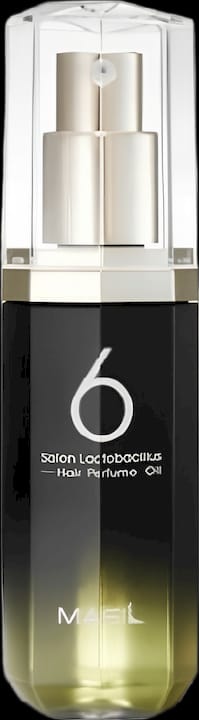
To start, five products are enough: an exfoliating shampoo like Masil 5 Probiotics Scalp Scaling Shampoo, a mild everyday shampoo like Masil 5 Probiotics Apple Vinegar Shampoo, a weekly mask like the Masil 8 Seconds Salon Hair Mask Set, a light conditioner of your choice, and a finishing oil like the Masil 6 Salon Lactobacillus Hair Perfume Oil.
Pro Tip: If you're short on time, a minimal version with just shampoo and leave-in is perfectly sufficient. You can add exfoliation and intensive treatment later, once your scalp has adjusted to the new routine.
The full five-step routine is suitable for anyone with visible scalp issues, such as dandruff, oily roots, or thinning hair. If you just want shiny hair without major issues, start with shampoo and leave-in and build up step by step.
Key Insights
The Korean hair care routine works because it treats the scalp with skincare logic, combining exfoliation, shampoo, treatment, conditioner, and leave-in in a fixed order.
| Topic | Details |
|---|---|
| Five-Step Process | Exfoliation weekly, shampoo daily, treatment 1 to 3 × weekly, conditioner only in the lengths, leave-in daily. |
| Mind the pH | Shampoos close to 5.5 better protect the scalp's acid barrier than highly alkaline formulas. |
| Gradual Build-Up | Start with shampoo and leave-in, add mask and exfoliation only after two to four weeks. |
| Know the Brands | Cosrx, Beauty Of Joseon, Purito, Aromatica, Elizavecca, Lador, Labo.H, and Dr. ForHair cover different scalp needs. |
| Use Verified Sources | Rammilav delivers original products directly from verified suppliers with fast delivery in Switzerland. |
Table of Contents
- Korean Hair Care Routine Explained Step by Step
- What Ingredients Are in Korean Hair Care?
- How to Choose Products for Your Hair Type
- Which K-Beauty Brands Are Really Worth It?
- Where to Get These Products in Original Quality
- Why the Korean Methodology Works Scientifically Differently
- How to Adapt the Routine to Your Daily Life
- Why Rammilav is the Right Starting Point for Your Routine
- Frequently Asked Questions About the Korean Hair Care Routine
- Sources
Korean Hair Care Routine Explained Step by Step
Before you even turn on the water, a quick scalp massage is worthwhile. Circling with your fingertips for two to three minutes stimulates blood circulation and already loosens part of the sebum layer. Those with dry or very stressed scalp can additionally massage in a light oil before washing and let it work for ten to fifteen minutes before the actual washing begins.
Then follow the five actual steps, each with its own function and frequency.
- Scalp exfoliation. Once or twice a week, never more. Physical exfoliants with fine particles or chemical variants with salicylic acid remove dead skin cells and excess sebum. For sensitive or irritated scalp, once a week is enough, otherwise you risk irritating the skin barrier instead of caring for it.
- Scalp-focused shampoo. Daily or every other day, depending on hair type. The shampoo is massaged exclusively into the scalp, the lengths are only cleaned by the running foam. This protects the hair structure and prevents the ends from drying out.
- Intensive treatment. A mask or scalp ampoule, one to three times a week, depending on the condition of your scalp. Exposure times are usually between five and fifteen minutes. On days with exfoliation, it's better to skip the intensive treatment, otherwise the scalp will be overwhelmed.
- Conditioner for the lengths. Apply only to lengths and ends, never to the scalp. A short exposure time of one to two minutes is enough, then rinse with lukewarm to cool water to close the cuticle layer.
- Leave-in essence or serum. The last step seals in moisture and provides the characteristic glass hair shine. Applied to damp hair, the essence absorbs quickly and leaves no heavy feeling.
This order is no coincidence. Exfoliation first removes the barrier of sebum and residues so that the shampoo can even work. The treatment follows directly after because the scalp is most receptive after cleansing. Conditioner and leave-in close the cycle by sealing in moisture instead of replacing it.
| Step | Frequency | Exposure Time | Where Applied |
|---|---|---|---|
| Exfoliation | 1 to 2 × per week | 3 to 5 minutes | Scalp |
| Shampoo | daily or every 2nd day | short, during washing | Scalp |
| Treatment/Mask | 1 to 3 × per week | 5 to 15 minutes | Scalp |
| Conditioner | daily during washing | 1 to 2 minutes | Lengths and ends |
| Leave-in | daily | absorbs immediately | Whole hair |
Pro Tip: Never combine exfoliation and intensive mask on the same day. The scalp needs at least one day of rest in between to recover.
What Ingredients Are in Korean Hair Care?
Korean formulations rely on a manageable number of active ingredients that recur in almost every product. Once you understand them, you can interpret ingredient lists much faster.
- Ginseng strengthens the scalp and is traditionally used to promote circulation.
- Centella Asiatica soothes irritated scalp and supports barrier regeneration.
- Fermented extracts (such as Galactomyces or Bifida Ferment) provide small-molecule nutrients that penetrate deeper than unfermented raw materials.
- Salicylic acid dissolves excess sebum and dead skin cells, usually in exfoliating shampoos.
- Panthenol provides moisture and smooths the hair surface.
- Hyaluronic acid binds water in the top skin layer of the scalp.
- Keratin and peptides support the hair structure from the outside, especially in chemically treated hair.
The pH value is not a minor detail. Most Korean shampoos are close to 5.5, in the slightly acidic range of the natural skin barrier. An overly alkaline shampoo opens the cuticle layer more than necessary and makes the hair more susceptible to friction and breakage. That's why many people with chemically treated or colored hair respond positively to switching to a pH-friendly product.
When it comes to the microbiome, it's not about elimination but balance. The scalp carries its own microflora of bacteria and fungi, and innovation in K-Beauty brands aims precisely to maintain this balance rather than radically resetting it with aggressive surfactants. The market has clearly picked up on this trend: specialty products like tonics and ampoules saw a 151 percent increase in 2023, showing how much demand for intensive scalp care has grown.
Important to know: This routine works cumulatively. It doesn't provide an immediate styling effect like a styling mousse but builds a healthier foundation for new hair growth over weeks.
How to Choose Products for Your Hair Type
Before you click through shelves or online shops, a simple sequence helps with the decision.
- Determine scalp type. Does the scalp get oily quickly? Does it feel tight or itchy? This decides whether you should opt for exfoliating shampoos or soothing formulas with Centella.
- Set a goal. Do you want more shine, more volume, or repair after damage? Shine needs light leave-in essences, volume benefits from lighter, non-weighing textures, repair needs protein-rich masks.
- Check ingredient match. Does the main active ingredient match the goal? A product with a high protein content helps damaged hair but quickly overloads healthy, thin hair.
When buying, a few targeted questions are worthwhile: Is the product pH-friendly formulated? Does it contain weighing silicones that build up over time? Is it intended as a leave-in or rinse-out product? These three questions already filter out half of the unsuitable options.
A few red flags you should know before a product ends up in the cart:
- Aggressive alcohols high on the ingredient list dry out the scalp and lengths.
- Undeclared or heavily perfumed fragrances disproportionately irritate sensitive scalp.
- Too much protein load on already damaged hair makes the structure brittle instead of strong.
The routine build-up works best gradually. Beginners start with a scalp-focused shampoo and a leave-in tonic, let it work for two to four weeks, and only then add a weekly mask or ampoule. Introducing all five steps at once often overwhelms the scalp ecosystem and can provoke irritations that could easily be avoided.
Which K-Beauty Brands Are Really Worth It?
The Korean market is overwhelmingly large, but a few brands appear on almost every serious recommendation list. Each has its own focus.
Cosrx stands for minimalist, active ingredient-focused formulas, often with snail secretion or Centella as a base. The brand is known for skincare but also has scalp-friendly approaches in its range and scores with low to mid-range prices.
Beauty Of Joseon combines traditional Hanbang ingredients like ginseng and rice with modern textures. The Revive Serum with Ginseng and Snail Mucin exemplifies how this combination also works for long-term strengthening goals. Price-wise, the brand is in the mid-range segment.
Purito relies on gentle, often vegan formulations without unnecessary irritants, well-suited for sensitive scalp in the affordable to mid-range price range.
Aromatica works a lot with essential oils and herbal extracts, often in shampoos with a soothing effect.
Elizavecca is known for intensive, protein-rich hair masks, often in the more affordable price segment, good for heavily damaged hair after bleaching.
Lador specializes in professional salon quality, with ampoules and masks in the mid to premium price range, often with keratin and peptide complexes.
Labo.H combines dermatological know-how with a scalp focus, often recommended for sensitive or redness-prone scalp.
Dr. ForHair positions itself clinically, with products specifically targeting hair loss and weakened follicles, usually in the mid to premium segment.
| Brand | Best For | Ingredients | Price Range |
|---|---|---|---|
| Cosrx | Sensitive Scalp | Centella, Snail Secretion | affordable to mid |
| Beauty Of Joseon | Strengthening, Shine | Ginseng, Rice | mid |
| Purito | Sensitive Scalp | Mild Surfactants, Panthenol | affordable to mid |
| Aromatica | Soothing | Essential Oils, Herbs | mid |
| Elizavecca | Damaged Hair | Protein, Keratin | affordable |
| Lador | Salon Quality | Peptides, Keratin | mid to premium |
| Labo.H | Irritated Scalp | Dermatological Ingredients | mid |
| Dr. ForHair | Hair Loss | Clinical Ingredient Complexes | mid to premium |
For a start, three products are completely sufficient: a scalp-focused shampoo, a leave-in tonic, and a light essence. Everything else can be added once you notice how your scalp reacts to the new routine.
Where to Get These Products in Original Quality
Especially with Korean cosmetics, it's worth taking a look at the source, as counterfeits and undeclared goods are not a fringe problem in this market segment. Rammilav sources its products directly from verified suppliers, guaranteeing original products and laying the foundation for visible results in the first place. In addition, the shop usually delivers within Switzerland in two to three days, with free shipping from an order value of 80 CHF.
A few concrete picks for starting the routine:
- The Masil 5 Probiotics Scalp Scaling Shampoo is suitable as an exfoliation step for oily or clogged scalp.
- The Masil 8 Seconds Salon Hair Mask Set provides the weekly intensive treatment for damaged hair.
- The Beauty Of Joseon Hanbang Serum Discovery Set allows you to test several light essences before committing to a full size.
- The Naturebay Daily Care Toner Pad shows how similar the logic between facial and scalp care actually is in Korea.
In cases of severely inflamed scalp, persistent itching, or sudden, diffuse hair loss, you should not self-diagnose via the cosmetics shelf but consult a dermatologist. Cosmetic products care and support, but they do not replace medical clarification when a symptom goes beyond normal hair care issues.
Pro Tip: Keep the packaging and purchase receipt of the first order. With verified shops with clear return conditions, you can easily return a product that doesn't suit your scalp.
Why the Korean Methodology Works Scientifically Differently
The pH value remains the best-documented argument. The scalp carries the same acid mantle as the facial skin, and a shampoo that respects this value attacks the barrier less than a highly alkaline standard product. Editorials also confirm that scalp treatments are deliberately formulated lightly so that they absorb rather than just lie on the surface, thus supporting the microbiome and follicle health over a longer period.
The innovation does not lie in the marketing term Glass Hair itself, but in the professionally oriented care of the scalp microbiome with light, highly concentrated essences instead of heavy coating of the hair shaft.
This perspective also explains why many people initially find the Korean routine unnecessarily complicated. In fact, it is often simpler in execution because it consciously treats shampoo as skincare for the scalp rather than a necessary evil before actual styling. Once you internalize this change in perspective, you no longer need to count ten steps but follow a logic: cleanse, treat, seal.
Visible effects take time. Realistically, the first changes in shine and scalp feel appear after four to six weeks of consistent application, not after the first wash. This is because the routine relies on cell renewal and microbiome balance, both processes that biologically simply take time.
How to Adapt the Routine to Your Daily Life
I never went through the full five-step routine from the start, and I wouldn't recommend it to anyone. My start consisted of a mild shampoo and a leave-in essence, nothing else. Only after my scalp got used to the new shampoo over two or three weeks did I add the exfoliation, then the weekly mask.
This order has a practical reason: You notice much more clearly which product actually makes a difference if you don't introduce five new things at once. If the scalp reacts irritated after the exfoliation, you immediately know what it's due to, instead of having three suspects.
In everyday life, I also consciously reduce time where possible. I only do the intensive treatment on weekends when there's more time for hair washing anyway. During the week, shampoo plus leave-in is enough, which takes hardly longer than a normal hair wash. And if my scalp feels oilier than usual, I replace the planned mask with an additional exfoliation instead of doing both in the same week. Combination rules like these prevent the routine from becoming a burden instead of solving one.
Pro Tip: Set a fixed day of the week for the intensive treatment, like Sunday evening. A ritual with a fixed appointment survives a stressful everyday life much more reliably than a spontaneous decision.
Why Rammilav is the Right Starting Point for Your Routine
Unlike a random online search, you don't have to waste time checking the origin and authenticity at Rammilav. Rammilav sources all products directly from verified suppliers, guaranteeing original products, while delivery within Switzerland usually arrives in two to three days, free from an order value of 80 CHF.
Three reasons specifically speak for buying at Rammilav:
- Verified origin directly from authorized suppliers, no gray imports
- Fast delivery within Switzerland, usually two to three days
- Free shipping from an order value of 80 CHF
If you don't know where to start, the shop offers curated starter sets that sensibly bundle several steps of the routine, such as the Miniature Series from Beauty Of Joseon. Browse the Rammilav range and put together your first three products for the routine.
Frequently Asked Questions About the Korean Hair Care Routine
How often should I perform the complete routine? Shampoo and leave-in belong in the daily or every-other-day routine, exfoliation and intensive treatment are perfectly sufficient one to three times a week.
When do visible results appear? First noticeable changes in shine and scalp feel usually occur after four to six weeks of consistent application, not immediately.
Is the routine suitable for colored or chemically treated hair? Yes, the low pH value of many Korean shampoos even protects the cuticle layer better than many standard products, but pay attention to protein-rich masks in case of severe damage.
Do I have to buy all eight mentioned brands to implement the routine? No, three products are enough to start: a scalp-focused shampoo, a leave-in tonic, and a light essence, the rest complements over time.
When should I see a professional instead of relying on cosmetics? In cases of persistently inflamed scalp, severe itching, or sudden, diffuse hair loss, this belongs in medical hands, not in the cosmetics routine.
Sources
- Korean Hair Care Routine 2026: Best Complete Honest Guide - HelloKoreaGuide
- Glass Hair: Korean Hair Care – the Best Products | Vogue Germany
- Best Korean Scalp Treatments (Expert Insights) | Allure
- Korean Haircare Brands And Why They Matter | Byrdie


