
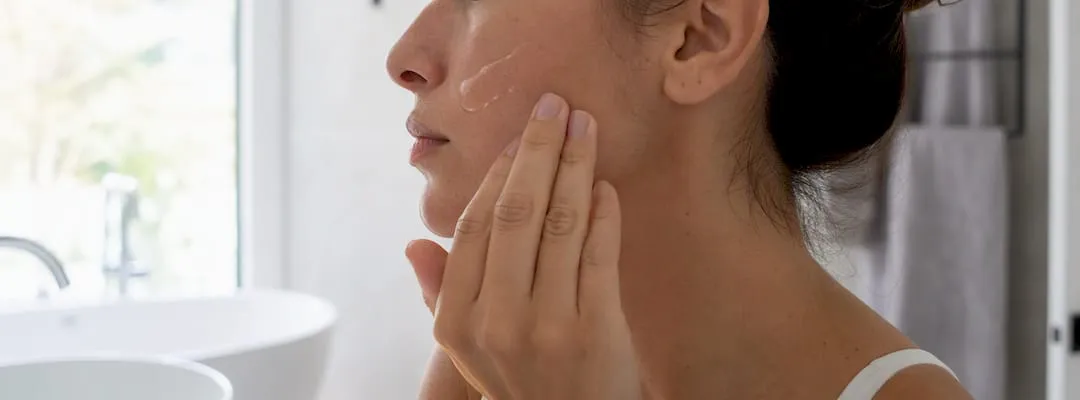
Azelaic acid clears blemished skin, reduces redness, and diminishes pigmentation spots. This makes it one of the most versatile active ingredients currently appearing in Korean skincare. Unlike many Western products, K-Beauty often relies on lower concentrations and soothing carrier substances, which means the active ingredient rarely overwhelms sensitive skin.
The effect is based on three mechanisms: Azelaic acid inhibits the growth of acne-promoting bacteria, has anti-inflammatory effects, and slows down the formation of excess pigment in the skin. This combination makes it interesting for anyone struggling with blemishes, redness, and acne marks simultaneously.
Pro Tip: Start with a thin layer in the evening, two to three times a week. If your skin tolerates it well, you can increase the application to twice daily.
- Antibacterial, anti-inflammatory, and brightening effect against pigmentation spots
- Suitable for acne, rosacea, and post-inflammatory hyperpigmentation
- K-Beauty formulations usually contain lower, well-tolerated concentrations
Key Insights
Azelaic acid reliably works against blemishes, redness, and pigmentation spots when concentration, frequency, and formulation match the respective skin type.
| Topic | Details |
|---|---|
| Mechanism of Action | Azelaic acid inhibits bacterial growth, has anti-inflammatory effects, and slows down excess pigment formation. |
| Initial Frequency | Start two to three times a week in the evening, increase to daily if well tolerated. |
| Concentration Difference | Cosmetics usually contain 5 to 10%, prescription gels 15 to 20% active ingredient. |
| Combination Rules | Niacinamide and Centella Asiatica complement well, do not apply AHA/BHA simultaneously. |
| Shopping at Rammilav | Rammilav offers verified K-Beauty brands like Cosrx and Beauty Of Joseon with fast delivery in Switzerland. |
This article contains general information and does not replace consultation with a qualified doctor. Consult a qualified medical professional for your personal situation before acting based on this content.
Table of Contents
- Azelaic Acid K-Beauty: How the Active Ingredient Works on the Skin
- Who is Azelaic Acid Particularly Suitable For?
- How to Incorporate Azelaic Acid into Your K-Beauty Routine
- Combining Azelaic Acid: What Works and What to Avoid
- Three Routines for Different Skin Goals
- Why Many Korean Azelaic Acid Products Suit Sensitive Skin
- Recognizing and Properly Handling Side Effects
- What is Often Underestimated About Azelaic Acid
- Your Entry into the Azelaic Acid Routine at Rammilav
- Sources
Azelaic Acid K-Beauty: How the Active Ingredient Works on the Skin
What makes azelaic acid biochemically special? It inhibits the enzyme tyrosinase, which is responsible for melanin production. This results in fewer dark spots forming, while existing pigmentation darkens more slowly. At the same time, it disrupts the protein synthesis of certain bacteria involved in acne development and slows inflammatory processes by reducing free radicals in the skin.
The research on this is solid. A systematic review in the Journal of Cosmetic Dermatology shows that formulations with 15 to 20% azelaic acid perform better in controlled studies for acne, rosacea, and hyperpigmentation than placebo. Cosmetic K-Beauty products, on the other hand, usually work with significantly lower dosages but with better everyday tolerability.
Newer formulation approaches rely on nanocarriers and liposomal systems to transport the active ingredient more specifically into deeper skin layers without irritating the skin barrier too much.
These carrier technologies explain why some serums are noticeably effective despite a low percentage. An overview of the mechanism of action and formulations describes exactly this connection between vehicle, penetration, and irritation potential. For you as a user, this means: The pure percentage on the packaging says little about how strong a product actually works. The interplay of concentration and formulation is decisive.
Who is Azelaic Acid Particularly Suitable For?
Three skin types benefit most from azelaic acid. In inflammatory acne with papules and pustules, it reduces redness and counteracts bacterial colonization. In rosacea in the papulopustular stage, it is considered an established active ingredient with a good safety profile by dermatological societies. And in post-inflammatory hyperpigmentation, i.e., the typical acne marks after healed blemishes, it visibly brightens the skin.
An advantage over retinoids: Azelaic acid does not cause photosensitization and is usually better tolerated by sensitive skin in studies. This is particularly evident in combination skin with redness and occasional blemishes.
- Inflammatory acne with papules and pustules
- Rosacea in the early to mid-stage
- Post-inflammatory hyperpigmentation and acne marks
- Sensitive skin that reacts irritated to retinoids
In cases of very severe acne, during a confirmed pregnancy, or with simultaneous prescription therapy, you should seek medical advice beforehand. Although azelaic acid is considered relatively safe, individual consultation replaces no blanket judgment.
How to Incorporate Azelaic Acid into Your K-Beauty Routine
The order in the routine often determines whether an active ingredient can unfold its effect or remains on the skin without being absorbed. For azelaic acid, a clear sequence applies.
- Cleansing: A mild, non-drying cleanser removes sebum and makeup without stressing the skin barrier.
- Soothing Toner: A moisturizing toner prepares the skin and buffers potential irritations.
- Azelaic Acid Serum or Gel: Apply thinly, initially two to three times a week in the evening.
- Moisturizer: A richer cream completes the routine and supports the barrier.
- Sunscreen during the day: Even though azelaic acid itself is not photosensitizing, freshly treated skin needs reliable protection.
Cosmetic products in K-Beauty usually range from 5 to 10% azelaic acid, while pharmaceutical gels and creams with 15 to 20% are prescription-only in Switzerland and the EU. For beginners, the lower concentration is usually sufficient.
Pro Tip: Do a patch test in the crook of your arm before the first application. If the skin reacts with redness, reduce the frequency to once a week and gradually build up.
Combining Azelaic Acid: What Works and What to Avoid
Not every active ingredient is equally compatible with azelaic acid. Some combinations enhance the effect, while others only increase the irritation potential without providing a real additional benefit.
- Niacinamide: Complements the anti-inflammatory effect and simultaneously strengthens the skin barrier.
- Centella Asiatica (Cica): Soothes irritated skin and is ideal as a buffer before or after application.
- Hyaluronic Acid: Compensates for the possible moisture loss that active ingredients like azelaic acid can cause.
- Retinol: Works only in separate application times or low dosage, as both active ingredients otherwise add up in their irritation potential.
- Vitamin C: Best applied in the morning and azelaic acid in the evening to avoid interactions on the skin.
- AHA/BHA Acids: Do not apply simultaneously. The combination of multiple acids often overwhelms the skin barrier within a few days.
In the Korean skincare philosophy, a simple principle has proven effective: First soothe, then treat, then soothe again. A Cica toner before azelaic acid and a moisturizing layer afterward turn a potentially irritating active ingredient into a routine that can be used almost daily.
Three Routines for Different Skin Goals
Depending on the skin problem, the setup shifts slightly. These three variants have proven effective in practice.
- Sensitive Skin with Redness: Morning cleansing, Cica serum, moisturizer, sunscreen. Evening cleansing, soothing toner, azelaic acid twice a week, rich cream.
- Acne-Prone Skin: Morning mild cleansing and sunscreen. Evening cleansing, azelaic acid in increasing frequency, light, non-comedogenic moisturizer.
- Hyperpigmentation and Acne Marks: Consistently apply azelaic acid in the evening, supplemented by niacinamide on azelaic acid-free days. Always use sunscreen during the day, as UV radiation otherwise intensifies pigmentation spots.
Visible improvements require patience. Clinical observations of 20% creams show that disease activity and quality of life usually improve significantly only after several weeks of regular use. With the lower-dosed K-Beauty variants, it tends to take a little longer, but the irritation risk remains lower.
Why Many Korean Azelaic Acid Products Suit Sensitive Skin
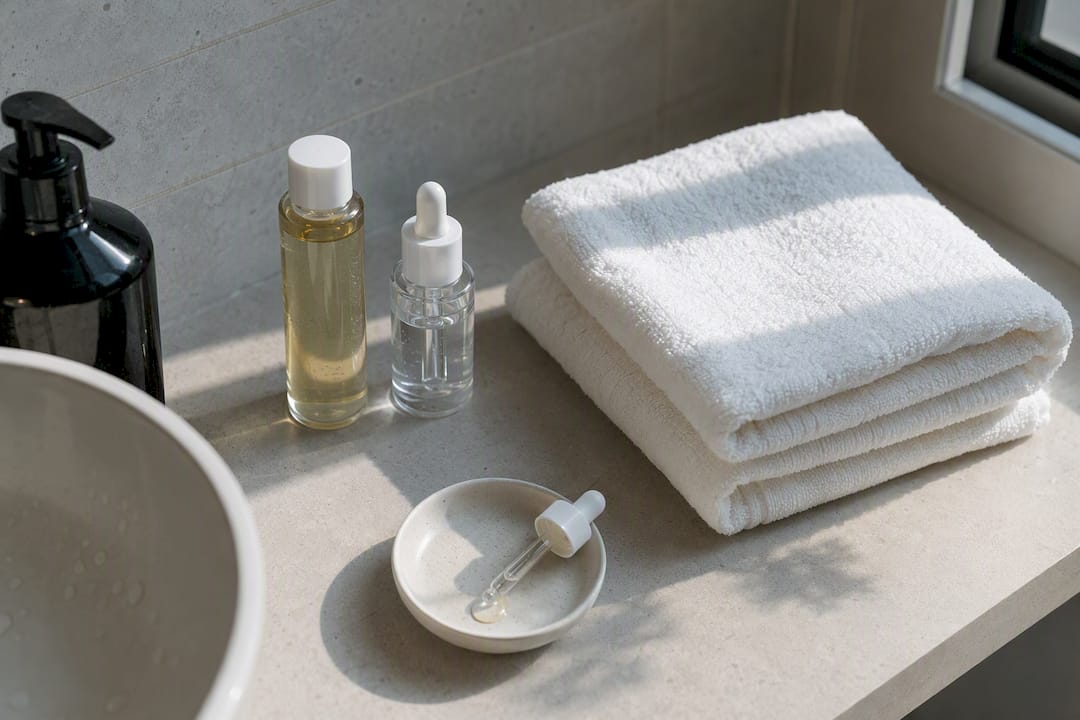
Rammilav sources its products exclusively from verified suppliers and carefully selects formulations that suit sensitive and blemish-prone skin. Brands like Cosrx, Beauty Of Joseon, and Purito often use gentle carrier substances and moderate concentrations in their active ingredient products, which can be easily integrated into a step-by-step routine.
When purchasing, it is worth looking at the ingredient list: If azelaic acid is listed high, the concentration is usually higher. Complementary substances like Centella Asiatica or Panthenol indicate a soothing vehicle that cushions irritations.
- Verified suppliers guarantee original products without the risk of counterfeiting
- Delivery within Switzerland usually in 2 to 3 days
- Free shipping for orders over 80 CHF
- Sets with several miniature products are ideal for a cautious start
If unsure, it is best to combine an azelaic acid product directly with a soothing cream to additionally support the skin during the acclimatization phase.
Recognizing and Properly Handling Side Effects

Most reactions to azelaic acid are mild and temporary. Burning, slight redness, itching, or fine flaking occur mainly in the first days of application when the skin is still getting used to the active ingredient.
The package insert for Skinoren® 15% Gel lists exactly these local reactions as the most common side effects and recommends a break in application in case of severe irritation. An effect that many know from retinol use, the so-called "purging," occurs much less frequently with azelaic acid. Tingling in the first applications is normal and usually subsides after a few uses.
- In case of severe burning, pause the application for a few days
- Cooling, fragrance-free creams relieve acute irritations
- If the condition worsens persistently, seek dermatological advice
- Cosmetic products in Europe usually remain below 10% active ingredient content, prescription gels reach 15 to 20%
Important for availability: While K-Beauty cosmetics with lower dosages are freely available, you need a prescription for the stronger, pharmaceutically classified concentrations in Switzerland and the EU. This explains why many people initially turn to cosmetic products before considering a medically prescribed alternative.
What is Often Underestimated About Azelaic Acid
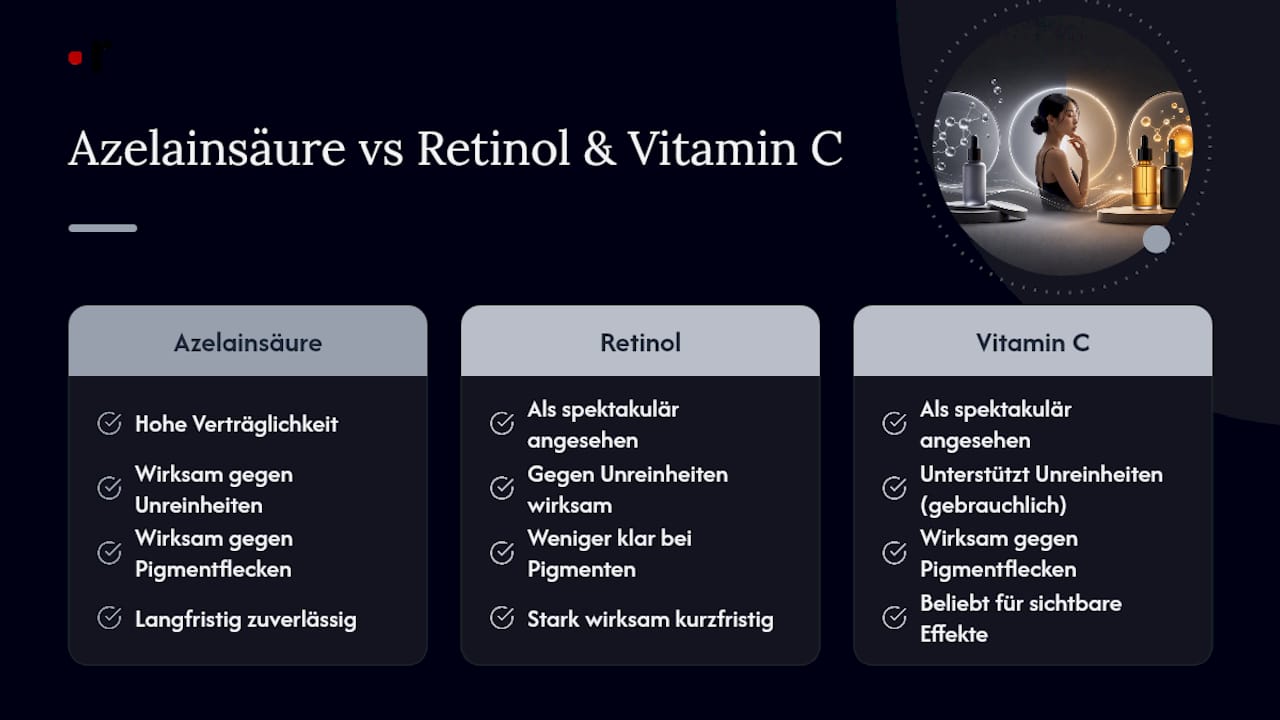
Azelaic acid has an image problem: It is considered the unspectacular active ingredient next to retinol and vitamin C, although it is often the more tolerable and long-term reliable choice. Western skincare has long labeled it as a pure rosacea remedy, while K-Beauty has long used it as an all-rounder against blemishes and pigmentation spots.
What I find exaggerated in the current discussion: the focus on the highest possible percentages. The data clearly shows that lower-dosed, well-formulated products often work just as reliably as strong concentrations, just more slowly. Those who impatiently reach for the highest available strength risk exactly the irritations that a good routine is supposed to avoid.
My clear priority for beginners: first ensure tolerability, then increase the effect. A gentle K-Beauty formulation, consistently applied over several weeks, almost always beats an aggressive product that disappears back into the cupboard after two weeks because the skin protests.
— Aleksejs
Your Entry into the Azelaic Acid Routine at Rammilav
Unlike many pharmacy products with rigid prescription requirements, Rammilav offers you access to cosmetic K-Beauty formulations that are fundamentally designed for a gradual, tolerable introduction. You don't have to risk a high concentration to see initial results. Rammilav carries products from Cosrx, Beauty Of Joseon, and Purito directly from stock, sourced from verified suppliers, with delivery within Switzerland usually in 2 to 3 days.
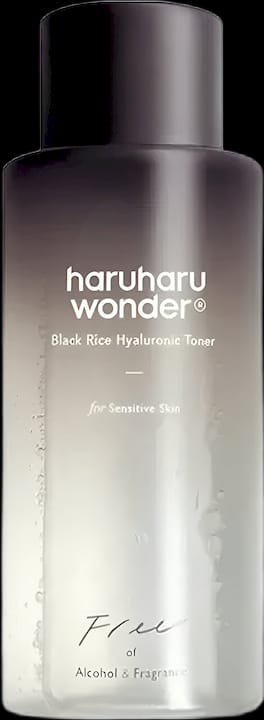
For beginners, it is worth looking at complementary care products that round off your routine: A soothing serum before the active ingredient application or a regenerating cream afterward help keep the skin stable. Check out the Rammilav range and put together your own gentle starter set before deciding on a single product.
Sources
- Azelaic Acid — NetDoktor
- A Systematic Review to Evaluate the Efficacy of Azelaic Acid — Journal of Cosmetic Dermatology (King et al.)
- Comprehensive review on azelaic acid (PMC10809820)
- Package Insert Skinoren® 15% Gel


